
How Roof Insurance Claims Work in Austin, TX: Step-by-Step Guide for Homeowners
After a major Austin storm, the first question most homeowners ask is simple: “Is my roof okay?”
The second question is usually more stressful: “If it is damaged, how does the insurance claim process actually work?”
Hail, wind, and heavy rain can leave behind obvious problems like missing shingles, active leaks, dented gutters, or water stains on the ceiling. But storm damage is not always easy to spot from the ground. Sometimes the roof looks fine until the next rain exposes a leak. Sometimes hail bruises shingles in ways that shorten the life of the roof but do not create an immediate hole. Sometimes the damage is real, but the insurance process feels confusing enough that homeowners delay taking action.
If you are trying to understand the roof insurance claim process in Austin, TX, this step-by-step guide will walk you through what usually happens, from the first roof inspection to the adjuster meeting, claim approval, repairs, and final payment.
Step 1: Start With Safety and Temporary Protection
After a storm, do not climb on the roof yourself. Even if the damage looks minor, shingles may be slick, decking may be compromised, and hidden storm damage can make the surface unsafe.
Instead, start with what you can see safely from the ground or inside the home. Look for missing shingles, lifted shingles, granules in downspouts, dented gutters, damaged vents, fallen branches, water stains on ceilings, damp insulation, or new leaks.
If water is actively coming in, take reasonable temporary steps to prevent further damage. The Texas Department of Insurance says temporary repairs are generally okay, but homeowners should take pictures of the damage before doing any work and should avoid permanent repairs until they have talked to the insurance company.
This matters because your insurance company will want documentation. If you patch, tarp, clean, or move items before taking photos, you may make the claim harder to prove.
Step 2: Schedule a Professional Roof Inspection
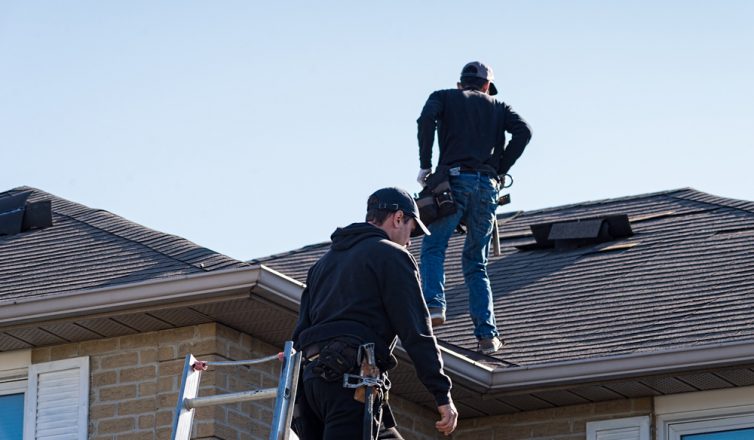
The next step is to have your roof inspected by a local roofing professional who understands storm damage in Central Texas.
Austin roofs take a beating from hail, wind, heat, and sudden storms. Damage may include lifted shingles, hail bruising, cracked shingles, flashing problems, vent damage, punctures, granule loss, and leaks around roof penetrations. Austin roof repair work commonly includes hail damage, wind-lifted shingles, nail pops, sealant failure, flashing leaks, and vent leaks.
A professional inspection can help determine whether the damage is isolated and repairable or whether it may justify a homeowners insurance claim. This is an important distinction. Not every roof problem needs to become a claim. A trustworthy roofer should tell you the truth about what the roof needs, even if that means a small repair instead of a full replacement.
Sprauer Roofing offers free 13-point inspections and has been repairing and replacing roofs across Austin and Central Texas for 25 years. The company positions itself as a local roofer that works directly with homeowners, shows up when promised, and gives honest guidance about whether a roof truly needs work.
Step 3: Document the Damage Before Filing
Documentation is one of the most important parts of the storm damage roof insurance claim steps.
Before filing a claim, gather as much information as possible. This may include:
Photos of visible exterior damage
Photos of interior leaks or stains
Date and approximate time of the storm
Notes about hail size or wind conditions
Photos of damaged gutters, vents, screens, siding, or fencing
A written inspection summary from the roofing contractor
Any temporary repair receipts
Any emergency mitigation invoices
A roofing company cannot approve or deny your insurance claim. That decision belongs to your insurance carrier. But a roofer can help document what is visible, explain the likely cause of damage, and provide photos or notes that help you communicate clearly with the adjuster.
Sprauer Roofing specifically describes its storm damage service as including insurance claims support, noting that its crews know how to spot storm-related issues that are not always visible from the ground and can help homeowners recover from hail, wind, and rainstorms.
Step 4: Review Your Policy and Deductible
Before you file, take a moment to review your homeowners insurance policy if you have access to it. Look for your deductible, roof coverage details, exclusions, and whether your roof is covered at replacement cost value or actual cash value.
The Texas Department of Insurance explains that a deductible is the amount you pay before the insurance company pays, and higher deductibles usually lower the policy premium but increase your out-of-pocket cost when you file a claim.
This is especially important for roof claims in Texas because some policies may have a separate wind and hail deductible. That deductible may be a percentage of the insured value of the home rather than a flat dollar amount. Homeowners are sometimes surprised by this after a storm.
Also, be cautious if any contractor promises to “cover,” “waive,” “eat,” or “take care of” your deductible. The Texas Department of Insurance states that it is illegal in Texas for a contractor to offer to waive, rebate, or absorb a property insurance deductible, and insurance companies may request proof that the deductible was paid.
A legitimate roofing contractor will explain the deductible honestly instead of using it as a sales trick.
Step 5: File the Roof Insurance Claim
Once you have reason to believe storm damage occurred, you can file the claim with your homeowners insurance company. Most carriers allow claims to be filed online, through an app, by phone, or through your insurance agent.
When you file, you will usually need to provide:
Your policy information
The date of loss
A description of the damage
Photos or supporting documentation, if available
Whether temporary repairs were made
Your preferred contact information
For homeowners searching how to file a roof insurance claim in Texas, the most important thing is to be clear and factual. You do not need to exaggerate. You do not need to diagnose every roofing issue yourself. You simply need to report that your roof appears to have storm-related damage and that you are requesting an inspection by the insurance company.
Try to file in a timely manner. Policies can have deadlines, and waiting too long may create questions about when the damage happened or whether later weather made it worse.
Step 6: The Insurance Company Assigns an Adjuster
After the claim is opened, the insurance company will assign an adjuster. The adjuster’s job is to inspect the property, evaluate the damage, determine whether the loss is covered, and prepare an estimate based on the policy.
The adjuster may inspect the roof, gutters, vents, interior damage, attic, siding, fencing, or other affected areas. In some cases, the insurance company may also use photos, drone imagery, weather data, or third-party inspection services.
This is where many homeowners feel overwhelmed. The adjuster may use unfamiliar terms. The estimate may include line items that are hard to understand. Some items may be approved, others may be left out, and the total may not match what the homeowner expected.
That is why it helps to have your roofing contractor involved in the process when appropriate. Having a contractor who specializes in storm damage roof repair present during the adjuster visit makes a measurable difference — they document what the adjuster may miss and advocate for a settlement that reflects the full scope of damage.
Step 7: Have Your Roofer Present for the Adjuster Meeting
You are allowed to have a roofing contractor present during the adjuster inspection. This can be helpful because the roofer can point out visible damage, share inspection findings, and make sure the adjuster has access to the relevant areas.
The roofer does not control the claim decision. They should not pretend to be the insurance company. But they can be a practical second set of eyes.
For example, the roofer may help identify hail hits on shingles, bruising on soft metals, wind-lifted shingles, damaged flashing, compromised vents, or areas where water intrusion may be connected to storm damage. If there is interior damage, they can help connect what is happening inside the home to the roofing system above it.
This is one of the reasons Sprauer’s local experience matters. Their storm damage roof repair page highlights more than two decades of helping Austin homeowners recover from hail, wind, and rainstorms, including support with insurance claims.
Step 8: Review the Insurance Estimate Carefully
After the adjuster inspection, the insurance company will issue an estimate. This may include the scope of approved work, pricing, deductible, depreciation, and the first payment.
Do not assume the estimate is automatically complete. Insurance estimates can miss items, especially after large storms when adjusters are handling many claims. Common missing or disputed items may include code-related requirements, flashing, drip edge, vents, decking, gutters, interior repairs, steep roof charges, multiple layers, or specialty materials.
This does not always mean anyone did something wrong. It simply means the estimate may need to be reviewed.
Your roofer can compare the insurance scope to the actual work needed to restore the roof. If something is missing, the contractor may be able to submit photos, measurements, or a supplement request to the insurance company. A supplement is a request for additional payment when the approved scope does not fully reflect the necessary work.
Step 9: Understand Approval, Deductible, and Depreciation
A roof insurance claim payment is not always issued all at once.
Many policies use replacement cost value coverage, but the insurance company may initially pay only the actual cash value. That first payment usually reflects the estimated cost of the work minus your deductible and minus recoverable depreciation. After the work is completed and invoiced, the insurance company may release recoverable depreciation if your policy allows it.
This can be confusing, so ask your carrier or agent to explain the payment structure. Your roofer can help you understand how the insurance estimate relates to the construction work, but your insurance company is the authority on policy benefits and payments.
The key point is this: your deductible is still your responsibility. A contractor who promises to make it disappear is not doing you a favor. They may be putting you at risk.
Step 10: Choose the Right Roofing Contractor for the Work
Once the claim is approved, you still need to choose who will do the repair or replacement.
This decision matters. A roof claim approval does not guarantee quality workmanship. The insurance company may approve funds, but the contractor you hire is responsible for installing the roof correctly.
Look for a roofing company that is local, experienced, insured, clear in communication, and willing to put the scope in writing. Avoid contractors who pressure you to sign immediately, promise to waive your deductible, ask for full payment upfront, or appear only after a storm.
Sprauer Roofing’s homepage emphasizes that the company is not a franchise or call center and that homeowners speak directly with the team. The company also highlights 25 years of roof repair and replacement experience across Austin and Central Texas.
That kind of local accountability matters because your roof should be protected long after the insurance check clears.
Step 11: Review the Contract Before Work Begins
Before construction starts, make sure you have a written contract that clearly explains the work being done.
A good roof repair or replacement contract should include:
Company name and contact information
Project address
Detailed scope of work
Materials and shingle type
Color selection
Ventilation or flashing work
Warranty information
Payment schedule
Estimated start and completion timing
Cleanup expectations
How change orders are handled
For insurance-related jobs over $1,000, Texas law requires certain deductible notices in the contract. The Texas Department of Insurance notes that contracts involving an insurance settlement must include a notice that the policyholder must pay the deductible.
If a contractor avoids discussing your deductible or gives you a vague contract, treat that as a red flag.
Step 12: Complete the Roof Repair or Replacement
Once the contract is signed, materials are selected, and the schedule is set, the roofing work begins.
Depending on the size and complexity of the job, a roof replacement may often be completed quickly, but timing can vary based on weather, materials, crew availability, decking conditions, and inspection requirements. Smaller repairs may be handled faster.
During the job, the contractor should protect the property, remove old materials as needed, address damaged components, install the new roofing system properly, and clean up the site afterward. After the work is complete, there may be a final inspection, invoice, warranty documentation, and any remaining insurance paperwork.
Step 13: Submit Final Documentation to Insurance
After the work is finished, your insurance company may need final documents before releasing any remaining funds. This may include:
Final invoice
Photos of completed work
Certificate of completion
Proof of deductible payment
Supplement documentation, if applicable
Warranty information
If recoverable depreciation is available under your policy, this is often the stage when the insurance company reviews completion documents and releases the remaining payment.
Keep copies of everything. Your roof is a major part of your home, and future buyers, inspectors, or insurers may ask about roof age, repairs, warranties, or claim history.
Common Mistakes Austin Homeowners Should Avoid
The roof claim process can be stressful, especially after a large storm affects many homes at once. Try to avoid these common mistakes:
Waiting too long to inspect the roof
Making permanent repairs before talking to insurance
Failing to document damage before cleanup
Assuming a small leak means a small problem
Hiring the first door-knocking roofer
Letting a contractor promise to waive the deductible
Signing a vague contract
Ignoring missing items in the insurance estimate
Choosing based only on the lowest price
Not keeping final paperwork
The goal is not to make the process complicated. The goal is to slow down enough to protect yourself.
When Should You File a Roof Insurance Claim?
You should consider filing a roof insurance claim if a covered event, such as hail, wind, a fallen tree, or storm damage, caused meaningful damage to your roof. The Texas Department of Insurance says homeowners can file a claim if a storm, tree, or something else damages the roof.
But filing a claim is not always the best move for every small repair. If damage is minor and the repair cost is close to or below your deductible, it may make more sense to handle the repair directly. That is why a professional inspection before filing can be useful. It helps you understand whether the damage appears claim-worthy.
The Claim Process Is Easier With the Right Guide
The step-by-step roof insurance claim process in Texas can feel intimidating at first, but it becomes more manageable when you know what to expect.
Start with safety. Document the damage. Schedule a professional inspection. Review your policy. File the claim. Meet with the adjuster. Review the estimate. Choose a trustworthy local roofer. Complete the work. Submit final documentation.
The most important thing is to avoid rushing the wrong decision during a stressful moment.
If your Austin home has possible hail, storm, or wind damage, Sprauer Roofing can inspect your roof, document visible damage, communicate clearly during the adjuster process, and help you understand what needs to happen next. With 25 years of experience across Austin and Central Texas, Sprauer Roofing is built for homeowners who want honest answers, direct communication, and roof work done right the first time.